



Blog
Consumption of electrodes during welding operations

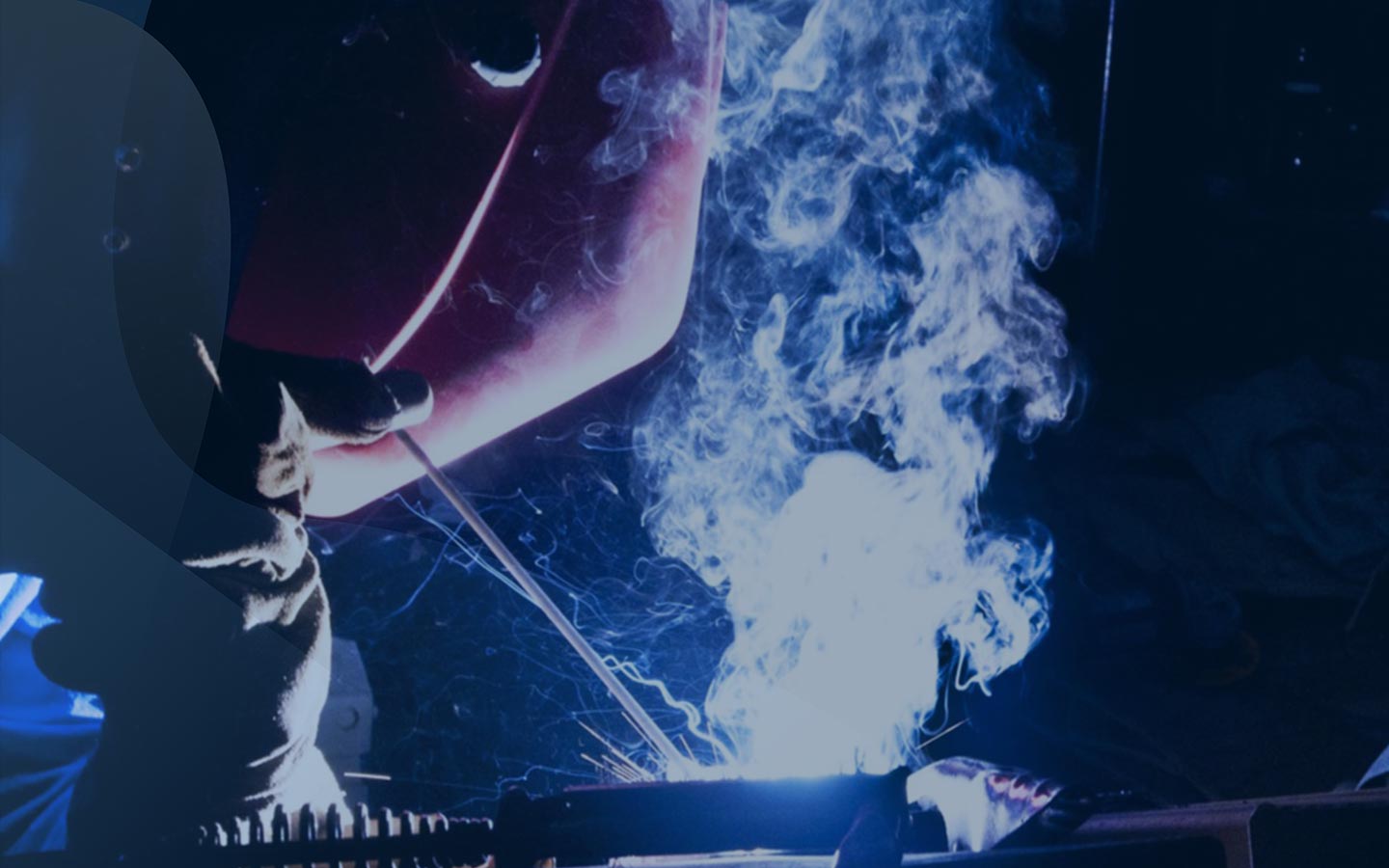
Consumption of electrodes during welding operations
The consumption rate of welding electrodes is often the determining factor in choosing a particular brand. It directly affects the duration of welding operations and the cost-effectiveness of the welding performed. The electrode for manual arc welding is changed by the welder to another one when welding is still to be performed.
It is because of this that all competent welders always keep the necessary supply of electrodes at hand. A clear understanding of the consumption of electrodes during welding should be when choosing any brand.
Before starting work, it is necessary to carry out preparatory work related to the piercing of welding electrodes in the furnace for calcination in accordance with the requirements. Below we will figure out how many electrodes are needed for welding and what is the consumption of welding electrodes of each brand.
How to determine the consumption of electrodes during welding?
To correctly calculate the required number of welding electrodes, it is necessary to know the input data and characteristics of the metal being welded:
It is necessary to know the required weight of the surfacing material with which the welding seam will be filled. To calculate the amount of deposited material, it is necessary to have a welding process map at hand. Most often, this is one and a half percent of the weight of the metal structure being welded.
The consumption depends on the length of the weld. It is measured using a tape measure along the metal structure. If the seam is deep, it will need to be welded with several seams. This should be taken into account when calculating.
In the card of each welding electrode, you can find out the approximate flow rate per meter of weld.
Consumption rates of electrodes for the welding process.
By the consumption rate, we mean the weight of the weld weld coating material per meter.
Consumption rates can be operational, detailed, and nodal. The operating room depends on the type of welding process. The detailed one is calculated by the weight of the weld when welding a separate part. The nodal is calculated based on the weight of the surfacing material in a separate node of the metal structure.
Hence, we can say that more precisely the consumption rate depends on the technique of the welding process, the type of seam, the number of seams and other indicators. Welders often determine “by eye” how many electrodes are needed for welding – this is the so-called practical observation.
Pipe welding- consumption of electrodes.
As we said earlier, the consumption of electrodes is related to the calculation of the filler material per meter of weld. To calculate how many welding electrodes are required, divide the resulting flow rate in meters by the weight of the electrode.
This results in a one-meter piece requirement for electrodes. These calculations are necessary in order to calculate the number of electrodes for the entire welding process of a particular pipe. The resulting number of electrodes is multiplied by the length in meters. We get the need for the entire pipe.
As a rule, the result should be increased by one and a half times in order to make allowances for slag from the electrodes. Each group of electrodes has its own correction factor, which must be searched in the manufacturer’s catalog or reference book.
Contacts

Company phone numbers:
+375 (29) 688-27-06
+375 (17) 388-28-02 accountant
+375 (17) 388-28-03 sales department

Email address:


Social network chat:

Social network chat:


