

Blog
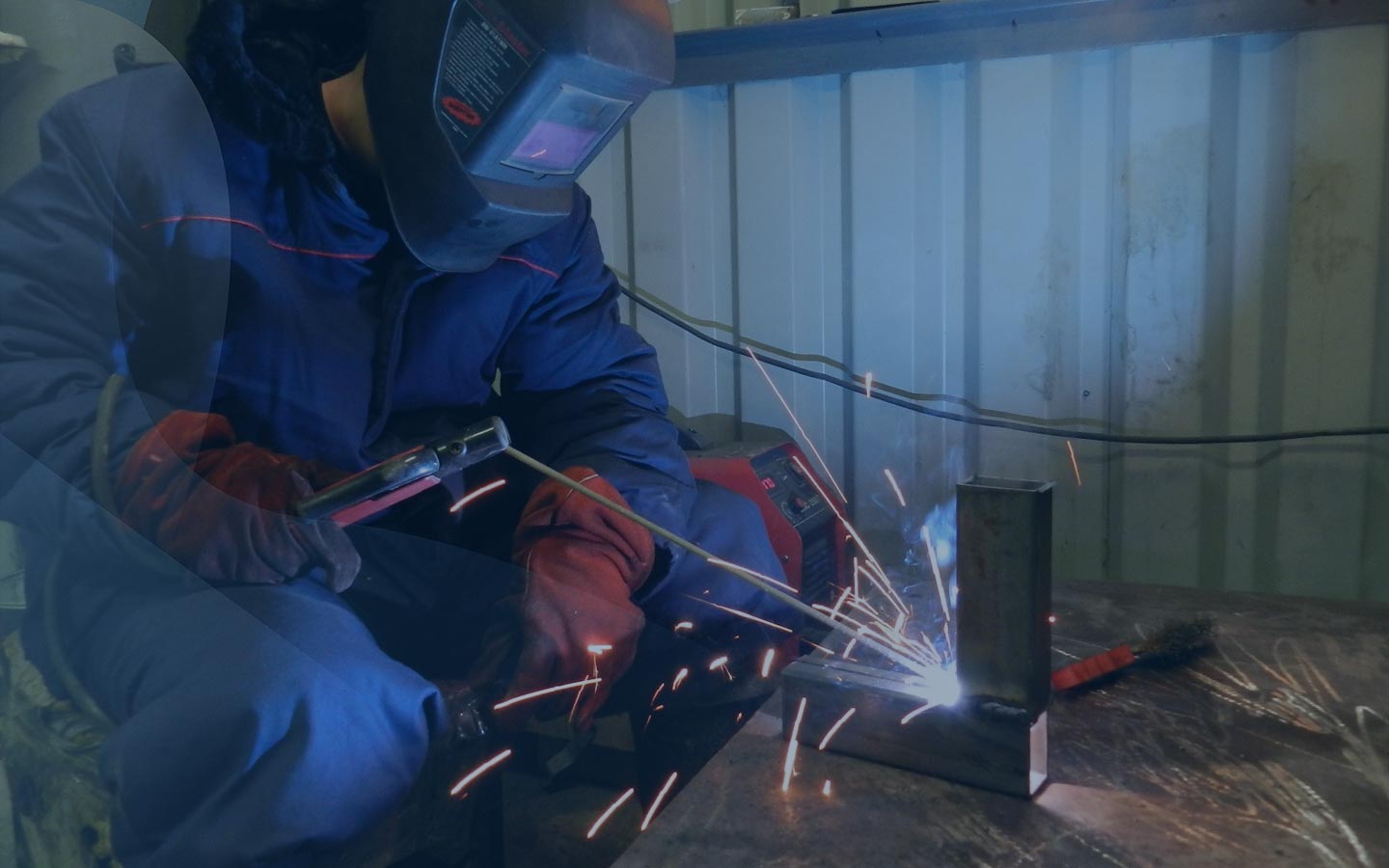
Defects inherent in manual arc welding

Defects inherent in manual arc welding
Defects most often encountered in manual arc welding can be caused by:
1. Low-quality basic or consumable materials, storage of such in unfavorable conditions.
2. Non-compliance with the rules for the preparation of metals and consumables for upcoming welding work.
3. Low qualification of the welder himself.
As you can see, there are more than enough reasons, which explains the abundance of options for how defects can look like during manual arc welding. Let’s divide them into groups together and find out “by sight”.
Non-steamers, rollers and others like them
Welding of corner or butt seams is often associated with the formation of too “convex” rollers. With their appearance, the likelihood of further work complications increases.:
· slagging;
· non-welding between the convex joint and the cutting edge;
· too deep sinking between the rollers.
“Convex” rollers are the result of welding operations at low speeds and with minimal or no manipulation. In this situation, it is recommended to increase the translational movement of the rods. When forming ceiling or vertical joints, use the “ladder” or “arc in front” technique.
Undercuts are defects that appear as a result:
· early and fast separation of the electrode from the edge. The crater simply does not have time to completely fill with the metal of the rod.;
· work with too short an arc and its abrupt separation from the edge of the joint.
The resulting undercuts will necessarily end up with non-steaming and slagging. And this is despite the fact that it is very easy to prevent a defect. It is enough to move to the edges without jerks and wait for the craters to be fully filled with metal electrodes.
Surges are a leak of molten metal, which, after solidification, must be cleaned or cut down. It appears due to the welder’s inability to “catch” molten metal or take too long to process the edge.
Pores and shrink shells
A shrinkage shell is a cavity that usually appears at the root of the seam after it has completely cooled. This defect occurs when working with austenitic steels, thick metals, large gaps and large volume welding baths. Its elimination is costly in terms of labor and time, while prevention is reduced only to:
· welding by back-step technique;
· arc-to-arc welding;
· joint welding with another specialist intercepting the arc.
As for the pores, their appearance is explained by the negligent attitude of the welder to the work performed. The arc is too long, the edges of the workpieces are dirty, drafts, non–heated electrodes – there can be a great many reasons.
Contacts

Company phone numbers:
+375 (29) 688-27-06
+375 (17) 388-28-02 accountant
+375 (17) 388-28-03 sales department

Email address:


Social network chat:

Social network chat:


